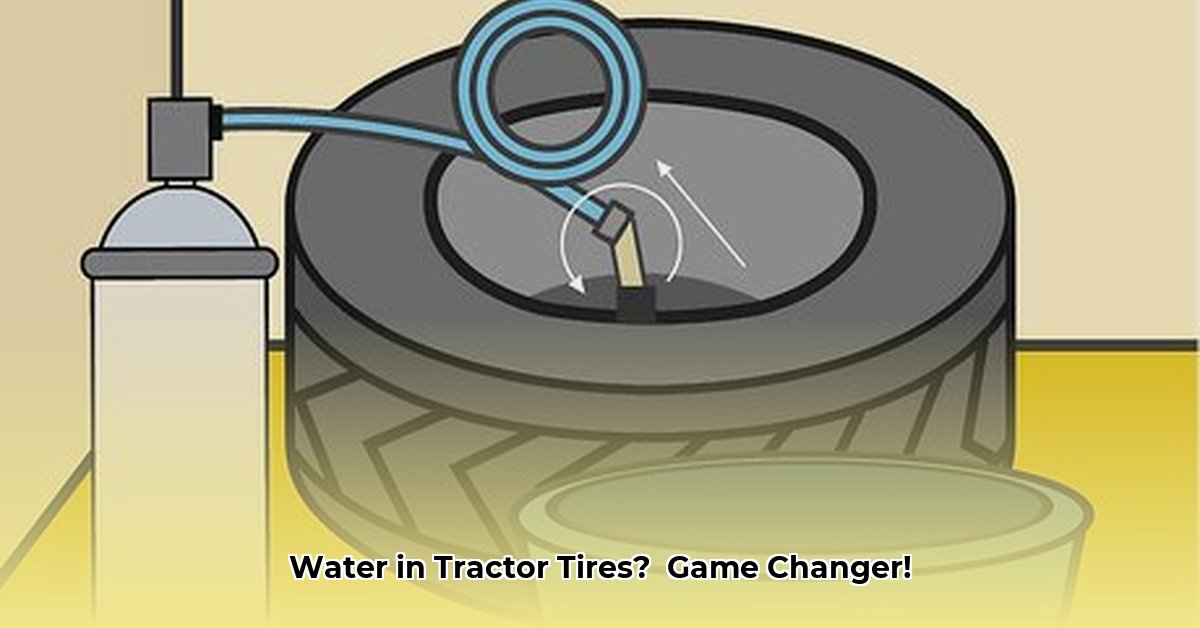
Want improved tractor traction and less soil compaction without a hefty price tag? Water-filled tires offer a cost-effective solution. This guide provides a step-by-step approach, addressing potential challenges and offering best practices. While water-filled tires offer benefits, understanding their limitations is crucial for successful implementation. For more on tire maintenance, see our guide on replacing a tire.
Getting Started: Tools, Materials, and Safety
Before you begin, gather the necessary materials and prioritize safety. Failing to do so can lead to injury or inefficiency.
- Tools and Materials: Garden hose with a nozzle for controlled water flow, a reliable water source, a tire pressure gauge, safety glasses, and optionally, a tire sealant (to prevent leaks).
- Safety Precautions: Always wear safety glasses to protect your eyes from accidental splashes. Use caution when handling heavy equipment and tires.
Step-by-Step Guide to Filling Tractor Tires with Water
This detailed, numbered guide ensures a smooth and efficient process. Following these steps correctly will increase your chances of success.
- Tire Preparation: Thoroughly clean the valve stem and surrounding area to remove any dirt or debris that could impede the filling process or cause leaks.
- Hose Connection: Securely connect the garden hose to the valve stem. Ensure a tight seal to prevent leaks during filling.
- Water Filling: Slowly fill the tire with water, monitoring the water level to ensure even distribution. Avoid overfilling.
- Sealant Application (Optional): If using a tire sealant, add it according to the manufacturer's instructions. This step is generally performed during this phase of filling.
- Pressure Check: Once the tire is full, use the pressure gauge to verify the pressure. Your tractor's manual will specify the recommended pressure; exceeding this can cause damage.
- Valve Securing: Tightly secure the valve cap to prevent leaks and maintain the water level.
- Repeat: Repeat steps 1-6 for each tire needing filling. Consistency is key for optimal performance.
Considerations and Best Practices
Understanding these nuances ensures you maximize the benefits of water-filled tires while mitigating potential drawbacks.
Choosing the Right Tires
Not all tires are created equal. Some designs are better suited for water filling than others. Consult a tire professional to determine the best option for your tractor and working conditions. Radial tires, for example, generally offer superior performance and durability compared to bias-ply tires when filled with water.
Water Levels and Fill Ratios
The ideal water level depends on factors such as tire size, climate, and soil type. A common starting point is 50-75% of the tire's capacity, adjusting as needed. Overfilling increases the risk of damage from expansion during hot weather or freezing in colder temperatures. Always consult your tire's specifications for specific guidelines. Do you know how to adjust fill ratios depending on weather conditions? This is crucial for optimal tire health and performance.
Environmental Considerations
Using antifreeze (ethylene glycol) or calcium chloride to protect against freezing poses environmental risks. These chemicals can harm the environment if spilled and should be disposed of properly according to local regulations. Consider biodegradable alternatives like beet juice for colder climates. Are you aware of the environmental impact of your chosen additives?
Maintenance and Leak Detection
Regular tire inspections are crucial. Check for leaks, wear, and damage, particularly around the valve stem. Addressing issues early prevents bigger (and costlier) problems down the road. How frequently should you inspect your water-filled tires? Regular checks – at least monthly – are recommended, and more frequent if you notice any issues.
Alternatives to Water Filling
Foam filling offers an alternative ballasting method with improved temperature stability, though at a higher initial cost. Other options include using sand or liquid ballast solutions.
Conclusion
Water-filled tires offer a viable and cost-effective method to improve tractor traction and reduce soil compaction. But remember to carefully assess the advantages and disadvantages. Understanding the steps involved, considering the factors outlined above, and engaging in diligent maintenance will lead to a successful and rewarding outcome. Always consult with a tire professional for specific recommendations tailored to your specific tractor and operating conditions.